The Quiet Connection Between Evening Stillness and Tomorrow's Physical Vitality
The way you spend the two hours before your head hits the pillow dictates how freely you will move the next morning. If you want to wake up feeling energized, limber, and ready to tackle the day, it is time to rethink your evening wind-down.
We live in a culture obsessed with morning routines. We are constantly told that the secret to a successful, high-energy day involves waking up before the sun, plunging into cold water, and hitting the ground running. But as we navigate our late forties and fifties, we start to realize a fundamental truth about our physical stamina: tomorrow’s energy is actually built tonight.
For men who want to stay active, maintain joint comfort, and keep playing their favorite sports without feeling battered the next day, the evening routine is the unsung hero of physical vitality. The transition from the demands of the workday to the restorative hours of the night is a delicate process. When we rush through it, or ignore it entirely, our bodies carry the day's tension straight into bed. The result? We wake up feeling stiff, sluggish, and older than our years.
It is time to clear up some of the most common misunderstandings about how we rest, recover, and prepare our bodies for the day ahead. Let us explore the myths and facts surrounding evening stillness and physical resilience.
Myth: "Resting" Means Collapsing on the Couch and Scrolling
After a long day of meetings, commuting, and putting out fires, the most natural instinct is to drop onto the sofa, grab the television remote, and pull out your smartphone. We often equate physical immobility with physical recovery. If you are not moving, you must be resting, right?
The Fact: Passive collapsing is not the same as active stillness. When you slump on the couch and scroll through your phone, your body is technically stationary, but your nervous system is still firing on all cylinders. The rapid-fire consumption of digital content keeps your mind in a state of low-grade alertness. Furthermore, the "tech neck" posture—shoulders rounded, head pitched forward—locks tension into your upper back and cervical spine.
True stillness involves intentionally shifting your body out of the "fight or flight" posture of the workday. Instead of a dual-screen digital binge, try swapping the last hour of screen time for something analog. Reading a book in a supportive chair, listening to an audio podcast while resting on the floor, or simply engaging in light conversation allows your muscles to genuinely unclench and your mind to signal to your body that the day's work is done.

Myth: You Only Need to Stretch Before or After a Workout
Many active men view mobility work and stretching as something strictly tied to the gym or the golf course. You do a few arm circles before lifting weights, or you touch your toes after a run, and you call it a day. The idea of stretching in the living room at nine o'clock at night seems unnecessary if you haven't just finished a workout.
The Fact: Evening mobility is less about athletic performance and entirely about physical decompression. Throughout the day, whether you are sitting at a desk, driving, or standing on a job site, your body accumulates postural stress. If you take that tightly wound physical state into bed, you are far more likely to toss and turn, and you will almost certainly wake up feeling rigid.
A brief, five-minute evening mobility routine can make a profound difference in your morning joint comfort and overall flexibility. Consider incorporating these simple movements into your nightly wind-down:
- The Floor Reach: Sit on the floor with your legs comfortably extended. Slowly reach toward your toes, focusing on deep, steady breaths rather than forcing a deep stretch. This helps release tension in the lower back and hamstrings.
- Gentle Torso Twists: While lying on your back, bring your knees to your chest and slowly let them fall to one side, then the other. This encourages mobility in the thoracic spine and releases the day's core tension.
- Shoulder Rolls and Neck Glides: Slowly roll your shoulders backward and gently tilt your ear toward your shoulder. This combats the hunched posture we adopt over keyboards and steering wheels.
Myth: Physical Exhaustion Guarantees Restorative Sleep
There is an old, pervasive idea that if you simply work hard enough and exhaust yourself physically, you will automatically sleep like a rock and wake up completely refreshed. It is the "chop wood until you drop" mentality of physical recovery.
The Fact: Being tired is not the same thing as being relaxed. You can be completely exhausted but still physically wired. When you push your body to the limit without allowing for a transition period of stillness, your system remains in a heightened state of readiness. This can lead to restless nights where you feel physically heavy but unable to sink into the deep, restorative phases of sleep that your muscles and joints need to repair themselves.
"Stillness is not the absence of action; it is a highly active state of physical and mental reset. It is the deliberate choice to put the body in neutral so the engine can finally cool down."
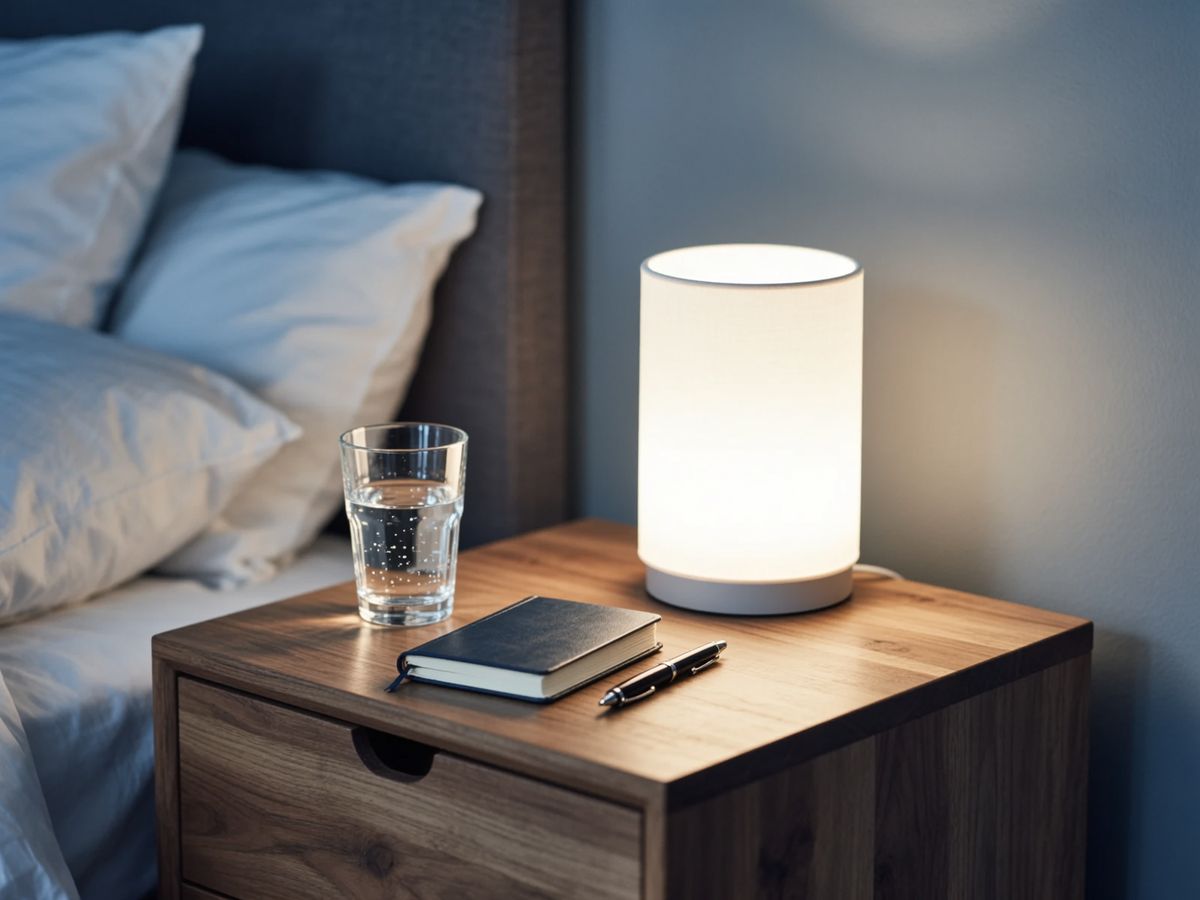
To bridge the gap between exhaustion and true relaxation, you need a buffer zone. This is where the power of a quiet environment comes into play. Dimming the overhead lights, lowering the thermostat to a cool, comfortable temperature, and focusing on slow, nasal breathing can help transition your body from a state of exhaustion into a state of genuine restoration.
Myth: A Heavy Late-Night Snack or Drink Helps You Wind Down
It is incredibly common to use food or a nightcap as a tool to unwind. A heavy bowl of snacks in front of the television or a stiff drink before bed often feels like the perfect reward for a long, demanding day. Because these things can make us feel drowsy, we assume they are helping our bodies recover.
The Fact: While a heavy meal or a drink might make you feel sleepy in the short term, they actively work against your body's overnight recovery processes. When you consume a large amount of food right before bed, your body is forced to direct its energy toward digestion rather than physical repair. Instead of waking up feeling light and energized, you are more likely to wake up feeling sluggish and stiff.
Similarly, while an evening drink might help you nod off quickly, it disrupts the architecture of your rest. It fragments the later, deeper stages of your night, which are exactly the hours when your body does its most important work for muscle recovery and joint comfort. Swapping the nightcap for a glass of water or a warm, caffeine-free herbal tea is one of the simplest and most effective upgrades you can make for your physical vitality.
Myth: "I Don't Have Time for a Dedicated Evening Routine"
When you hear the phrase "evening routine," it is easy to picture a complicated, two-hour process involving meditation cushions, essential oils, and an elaborate journal. For a busy man balancing work, family, and personal responsibilities, adding another complex task to the end of the day sounds exhausting.
The Fact: An effective evening routine does not need to be long or complicated; it just needs to be intentional. You do not need two hours; you only need fifteen minutes to completely change the trajectory of your night and the quality of your next morning.
Try this simple, fifteen-minute physical reset before bed:
- Five Minutes of Disconnection: Turn off your screens, set your phone on a charger in another room, and dim the lights in your living space.
- Five Minutes of Physical Release: Get down on the floor. Do a few gentle stretches, roll out your shoulders, and let gravity help decompress your spine.
- Five Minutes of Mental Clearing: Sit quietly, focus on slowing your breathing, and write down any lingering thoughts or to-do list items for the next day on a piece of paper. Get them out of your head so your body can relax.
Mastering your evening stillness is about recognizing that you are in control of how you age and how you move. By dismantling these common myths and embracing a few simple, intentional habits, you can transform your evenings from a passive collapse into a powerful period of physical preparation.
Of course, true physical vitality is a twenty-four-hour endeavor. The choices you make in the quiet hours of the evening work best when they are supported by the right habits during the day. Pairing a smart, restorative evening routine with a targeted daily approach to wellness can help you maintain your energy, support your joint comfort, and keep you moving at your absolute best. Ready to discover the daily habits that support an active, vibrant lifestyle from morning until night?