The Weekend Warrior’s Field Guide: Staying Supple During Your Toughest Outdoor Pursuits
You work hard all week, and you play even harder on Saturday. Here is how to keep your body moving freely and comfortably from the trailhead to the summit and back again.
There is a familiar rhythm to the modern week. From Monday to Friday, many of us are tethered to desks, steering wheels, and screens. We exist in a state of forward-leaning concentration, our bodies adapting to the shape of our office chairs. Then Friday afternoon arrives, the laptop snaps shut, and a radical transformation occurs. We load up the mountain bikes, lace up the hiking boots, or hitch up the kayak trailer. We demand our bodies shift instantly from sedentary professionals to peak-performing outdoor athletes.
This is the glorious, chaotic reality of the weekend warrior. It is a lifestyle driven by a deep need for fresh air, adventure, and physical exertion. But this abrupt transition from zero to sixty can ask a lot of our bodies. When we ask muscles and joints that have been resting for five days to suddenly carry us up a rocky incline or paddle against a strong current, we sometimes experience a frustrating stiffness that hampers our enjoyment.
The goal is not to dial back the adventure. The goal is to bridge the gap between the boardroom and the backcountry. By adopting a few strategic habits, you can keep your joints feeling supple, your energy levels steady, and your movements fluid. Here is your field guide to staying comfortably in motion, no matter how tough the pursuit.
1. The Friday Night Pre-Game: Signal the Shift
The transition into an active weekend should not begin at the trailhead; it should begin the night before. After a week of sitting, your hip flexors are likely tight, your shoulders are rounded, and your posterior chain has effectively gone to sleep. Jumping straight into bed and then straight into a strenuous activity the next morning is a recipe for a sluggish start.
Spend fifteen minutes on Friday evening signaling to your body that the workweek is over. Focus on gentle, expansive movements that reverse the desk posture. Try incorporating a few simple routines:
- Thoracic extensions: Lie on the floor with a rolled-up towel under your upper back and gently stretch your arms overhead to open up your chest.
- Hip openers: Spend a few minutes in a deep, supported squat, or practice gentle lunges, allowing the front of your hips to lengthen.
- Torso twists: Sit on the floor and gently rotate your spine from side to side to encourage mobility in your lower back.
This is not a rigorous workout; it is a conversation with your body. You are simply reminding your joints of their full range of motion, laying the groundwork for a much more comfortable Saturday morning.
2. The Trailhead Primer: Wake Up Your Shock Absorbers
We have all seen it: the guy who hops out of his truck, aggressively touches his toes for ten seconds, and immediately starts sprinting up the trail. This old-school approach to static stretching is largely outdated, especially when performed on cold muscles. In fact, holding static stretches before an activity can temporarily reduce your muscle power and do very little to promote actual joint comfort.
Instead, your trailhead routine should focus on dynamic activation. You want to lubricate your joints, increase blood flow to your extremities, and wake up your nervous system.

Before you shoulder your pack or clip into your pedals, run through a dynamic sequence. Perform ten controlled leg swings on each side, forward and backward, then side to side. Follow this with a set of bodyweight squats, focusing on sinking your weight into your heels and keeping your chest proud. Finally, do a few arm circles and torso rotations. This active primer takes less than five minutes, but it ensures your body's natural shock absorbers are fully online before you demand heavy exertion.
3. Mid-Trek Mechanics: Respect the Machine
Once you are in the thick of the activity, enthusiasm often overrides biomechanics. It is easy to push the pace, ignoring the subtle signals your body sends when it is working inefficiently. Staying supple during a long pursuit requires a mindful approach to how you move.
If you are hiking, pay close attention to your descents. Walking downhill places significantly more stress on the knees and hips than walking uphill. Keep your knees softly bent, avoid locking your joints with each step, and consider using trekking poles. Poles distribute the load across your upper body, drastically reducing the cumulative impact on your lower joints over a long day.
"Your body is remarkably resilient and capable of incredible feats, but it always appreciates a little strategic pacing and mindful mechanics."
If you are cycling, monitor your cadence. Grinding away in a heavy gear at a low RPM forces your joints to endure a massive amount of torque. Shifting to a lighter gear and maintaining a higher, smoother cadence—often around 80 to 90 revolutions per minute—shifts the burden from your joints to your cardiovascular system, allowing you to ride longer with greater comfort.
4. The Overlooked Suppleness Secret: Continuous Hydration
When we think of joint mobility, we usually think of stretching and warming up. We rarely think of our water bottles. Yet, hydration is one of the most critical factors in maintaining comfortable movement.
The cartilage that cushions your joints is composed largely of water. The synovial fluid that lubricates those joints relies on adequate hydration to maintain its viscous, protective quality. When you become dehydrated—which happens quickly when you are sweating on a sunny trail—your body begins to pull water from wherever it can, and your joints can lose some of their natural cushioning. This can lead to a feeling of friction and stiffness.
- Start hydrating before you arrive at the location. Drink a large glass of water on the drive over.
- Sip continuously rather than gulping occasionally. A steady intake helps your body absorb the moisture more effectively.
- Consider your electrolytes. Sweating depletes vital minerals that your muscles need to contract and relax smoothly. Adding a balanced electrolyte mix to your water can help maintain optimal fluid balance and keep your muscles firing correctly.
5. The Sunday Morning Reset: Keep the Engine Turning
You conquered the mountain, you paddled the river, and you earned your evening meal. But the true test of the weekend warrior comes on Sunday morning. Waking up feeling like a rusted tin man is common, but it is not inevitable.
The instinct is often to collapse onto the couch and remain entirely motionless for the rest of the weekend. This is a mistake. Complete immobilization allows tissues to stiffen and slows down the circulation needed to flush out metabolic byproducts from yesterday's exertion. What your body actually craves is active recovery.
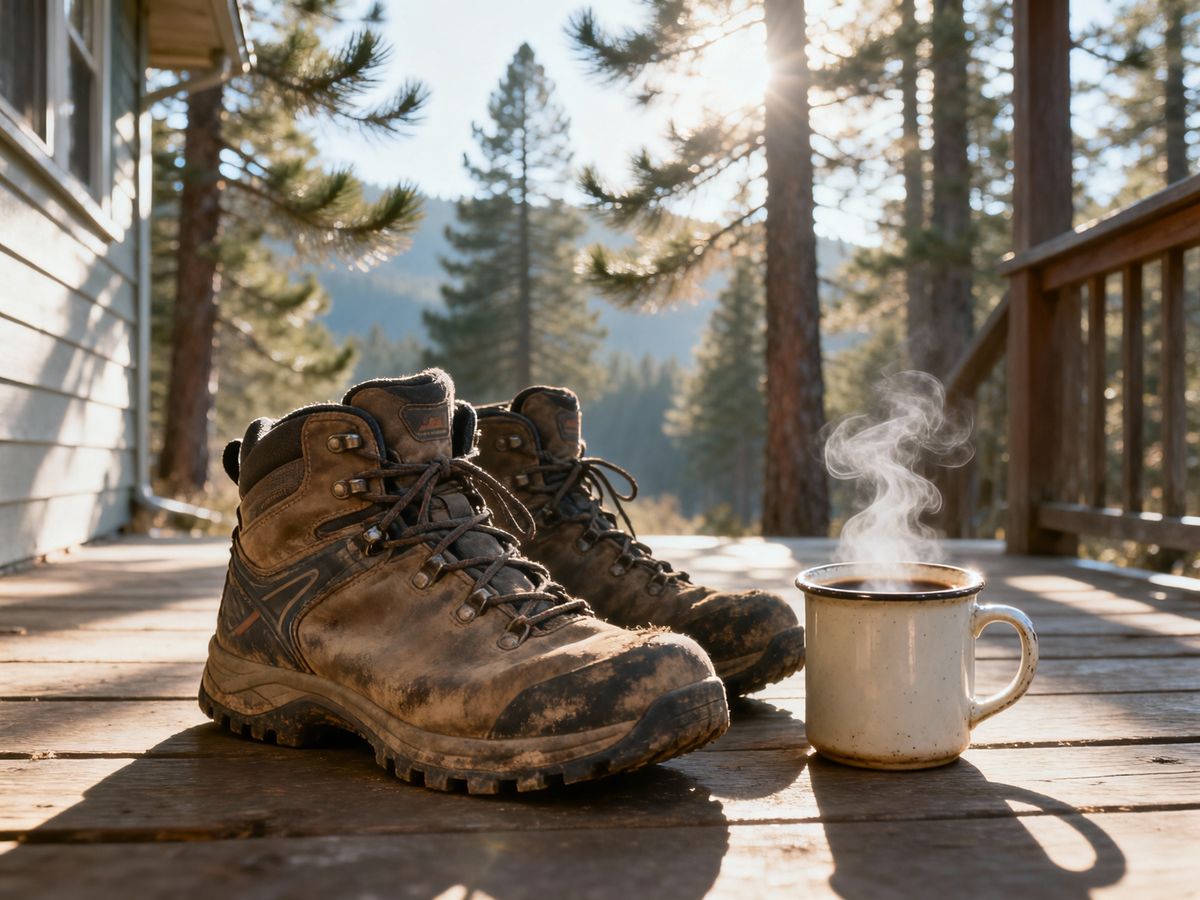
Active recovery means engaging in light, restorative movement that elevates your heart rate just enough to promote blood flow, without adding new stress to your muscles. A twenty-minute walk around the neighborhood, a leisurely, flat bike ride, or a gentle yoga flow in the living room can work wonders. You are essentially keeping the engine turning over at a low idle, encouraging your body to bounce back rather than locking up.
Building a Foundation for the Long Haul
The weekend warrior lifestyle is immensely rewarding. It keeps us connected to nature, tests our physical limits, and provides a necessary mental reset from the demands of daily life. But as we navigate through our forties and fifties, we have to acknowledge that our bodies require a bit more maintenance to perform at the level we desire.
Staying supple is not about avoiding strenuous activity; it is about preparing for it intelligently. By signaling the shift on Friday night, warming up dynamically, paying attention to your mechanics, staying relentlessly hydrated, and embracing active recovery, you can ensure that your weekends remain a source of vitality rather than a cause of stiffness.
Of course, the habits you practice on the trail are only part of the equation. What you do during the other five days of the week plays a massive role in how you feel on Saturday morning. Providing your body with consistent, high-quality nutritional support can help maintain the natural health of your cartilage, support your body's recovery processes, and promote long-term joint comfort. If you are looking for a reliable way to support your active lifestyle from the inside out, exploring a daily botanical routine might be the perfect addition to your weekday preparation.